

Track your cycle
In a 28-day cycle, ovulation usually occurs around day 14 – with longer or shorter cycles it shifts. Our fertile days calculator is a good first point of orientation.
Around one in six couples waits longer than hoped for a pregnancy. The good news: there is usually more you can do than many people think. In this guide you will learn how a pregnancy comes about, how to make the most of your fertile days, what strengthens your fertility – and when an outside look is worthwhile.
Becoming pregnant is the interplay of many factors: ovulation has to take place, egg and sperm have to find each other, and the embryo has to implant in a well-prepared uterine lining. For a healthy couple, the probability of conceiving in a single cycle is around 20 to 30 percent – so a little patience is part of the journey. Within one year, around 85 percent of couples having regular unprotected intercourse become pregnant.
To make the most of these chances, three things matter above all: the right timing, a fertility-friendly lifestyle – and the courage to seek support in good time if it does not work out.
After ovulation, the egg can only be fertilised for around 12 to 24 hours – sperm, on the other hand, survive for up to five days. The fertile window therefore opens days before ovulation.
In a 28-day cycle, ovulation usually occurs around day 14 – with longer or shorter cycles it shifts. Our fertile days calculator is a good first point of orientation.
Cervical mucus (clear and stretchy around ovulation), basal body temperature and ovulation tests make the fertile window more visible – especially in combination.
Intercourse every two to three days during the fertile window is entirely sufficient. Sex on a stopwatch creates pressure – and pressure is a poor companion on the way to pregnancy.
A balanced diet, sufficient folic acid (ideally starting before pregnancy), vitamin D, a healthy body weight and moderate exercise support your cycle and egg quality. Smoking and regular alcohol consumption measurably reduce fertility. Micronutrients developed specifically for fertility can be found in our FertiFate range – refined together with our patients.
Sperm production takes around three months – so lifestyle changes need a little lead time. Heat (sauna, laptop on the lap), nicotine, excess weight and chronic stress impair sperm quality. Zinc, selenium and antioxidants support it. A semen analysis quickly shows where the man stands.
You will find the detailed version with medical background in our guide Naturally pregnant in 10 steps.
The ovarian reserve is finite: women are born with all their eggs, and both number and quality decline over the years. That does not mean it won't work later – but it does mean that time is a real factor.
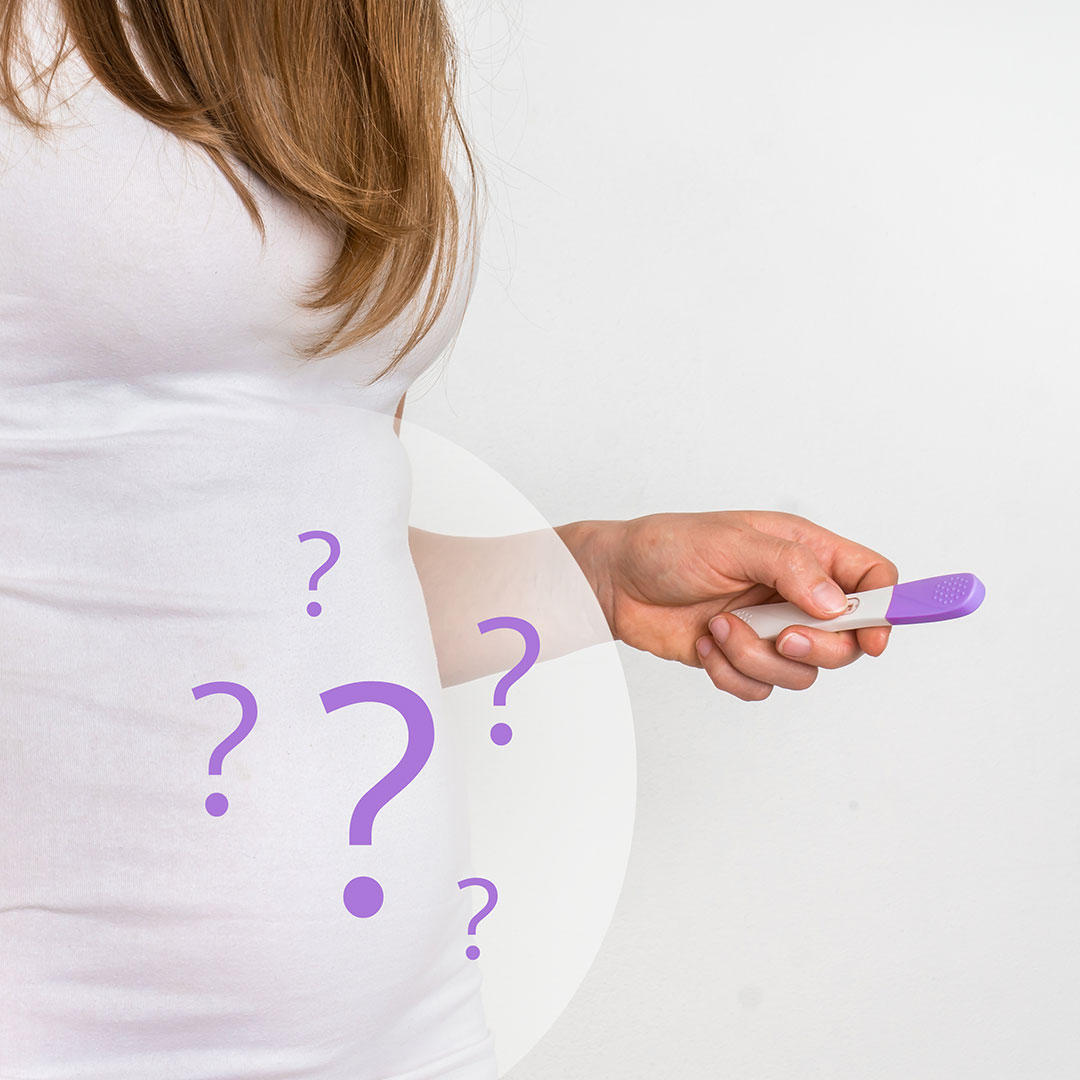
If you are under 35 and have been having regular unprotected intercourse for a year – or over 35 and for six months – without becoming pregnant, a fertility work-up makes sense: the earlier, the more options remain.
The causes, by the way, are evenly distributed: about one third lies with the woman, one third with the man, and one third with both or remains unexplained at first. A work-up therefore always involves both partners – at the WIF it begins with a detailed first consultation including ultrasound.
If it turns out that the natural way will be difficult, excellent treatments are available today – graded from gentle to high-tech. As a 360° institute, we accompany you through the entire spectrum:
Which path suits you is something we clarify together – honestly, without pressure and step by step. More than 30,000 children have been born with our help since 1983.
„Ich habe mich von Anfang an sehr wohl gefühlt und sehr gut betreut! Jede meiner Fragen wurde beantwortet und ich habe mich in meinen Sorgen verstanden + begleitet gefühlt! Danke - es hat alles geklappt und ich wurde schwanger!“
For healthy couples, the chance per cycle is around 20 to 30 percent. About half of all couples are pregnant after three months, and around 85 percent within one year. If it takes longer, a fertility work-up is worthwhile – it does not automatically mean treatment.
The fertile window spans roughly five days before ovulation until one day after, because sperm survive for up to five days. In a 28-day cycle, ovulation usually occurs around day 14. Our fertile days calculator gives you a first orientation.
There is no solid evidence for this – sperm reach the cervix within minutes. Far more important are the right timing in the cycle and regular intercourse during the fertile window.
The benefit of folic acid is well established, ideally from three months before pregnancy. Vitamin D, omega-3 fatty acids, zinc and selenium support the fertility of both women and men. Our FertiFate products were composed specifically for this purpose and refined together with real patients.
Chronic stress can disrupt the cycle and delay or suppress ovulation. It is rarely the sole cause, but it is a relevant factor. Important: don't put yourself under additional pressure – that is exactly where we support you with a clear plan.
Signs include stretchy cervical mucus, a rise in basal body temperature of around 0.5 °C after ovulation and positive ovulation tests. Ovulation can be confirmed reliably by ultrasound and hormone testing – for example as part of our fertility diagnostics.
Under 35: after twelve months without success. Over 35: after just six months. A work-up is immediately sensible in cases of an irregular cycle, known endometriosis, after chemotherapy or repeated miscarriages. The easiest way to start is our free info evening.
It begins with a one-hour first consultation including ultrasound: we discuss your history, check your cycle and hormone status and arrange a semen analysis. In most cases, an individual plan is already in place afterwards – from “simply keep trying with better timing” to targeted treatment.
A free info evening or an in-depth first consultation right away – you set the pace.
Or call us: +43 1 877 77 75
Get to know our team and learn everything about the process, success rates and costs of fertility treatment – 15 minutes, free of charge and with no obligation, online or on site.
Upcoming dates